
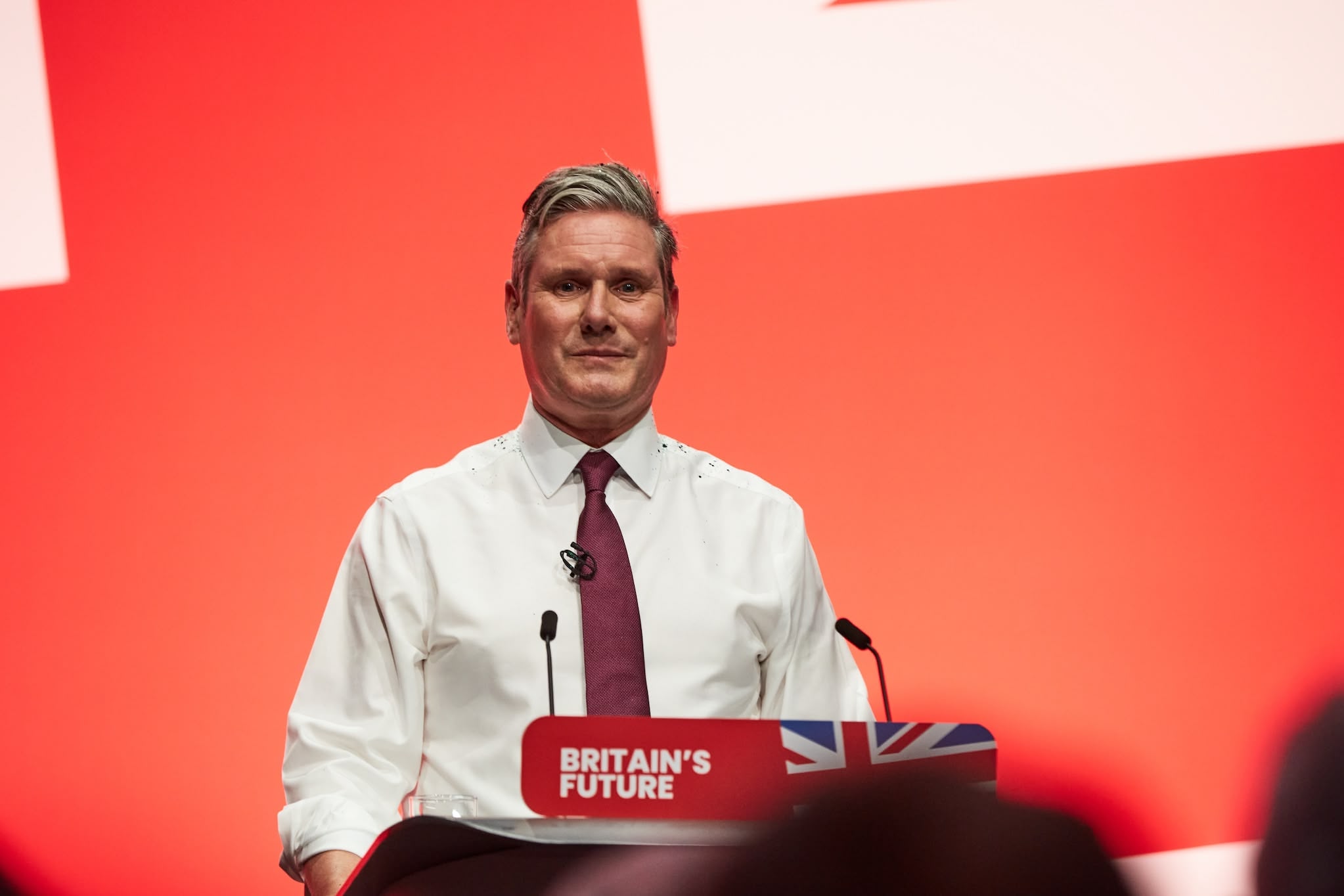
How not to run an economy
I have generally erred on the side of caution when straying into political commentary, not because I have equivocated about my own views nor because I have shied away from calling out economic policy stupidity. I suppose it's partly because I come from a generation that traditionally kept its politics private for fear of upsetting friends or neighbours who might hold opposing views. Consequently, for much of my career, I tried to avoid explicit political commentary and kept my politics to myself.
To some extent, this constraint was the product of my once fairly high profile in the financial services industry and the implied responsibilities that come with that sort of role. My job, then, when writing to customers, was to stick to markets and economics and steer reasonably clear of politics.
Sometimes this was quite difficult, especially when political decisions collided with issues that affected investors, for example, during the financial crisis and, most obviously, in the lead-up to the Brexit vote in 2016. Naively, I thought that objective economic analysis, designed to help my customers make better investment decisions based on facts rather than economic delusions, was the right approach. In fact, because the Brexit debate was so polarised, this objectivity unwittingly caused great offence in parts of the establishment that, at the time, believed Brexit was an existential threat to them.
This was an important lesson for me and one I have learned a lot from. Now, although I try not to be overtly partisan, I am not cowed and am willing and able to be more frank about politics. This gives me a lot more flexibility, which is important at a time when politically motivated decisions are having such a big impact on the economy.
It was in this context that I wanted to call out the latest political developments in the UK, which, for me, shine an even brighter light on the government’s reckless fiscal policy, which is the root cause of all of its catastrophically inept decisions, and the consequences of which now look terminal for Keir Starmer. In simple terms, this government has fallen into the fiscal trap that it set for itself, simply because it could not resist the temptation to max out its “credit card” in the first two years of its term, whilst simultaneously genuflecting to financial markets by outsourcing fiscal constraints to the OBR in a public demonstration of its probity.
So instead of the fiscal restraint it promised in its manifesto (which I revisited this afternoon and immediately wished I hadn’t), this government increased spending in its first two years by £131bn, £36bn of which went on increased welfare payments. (This excludes another £3.5bn from scrapping the two-child benefit cap) Because of the borrowing limitations imposed by the government’s “iron-clad” fiscal rules, which the OBR polices, taxes had to increase significantly to fund this profligacy. So, current receipts increased by £136bn over the same period. Quite obviously, this rate of fiscal tightening crushed the economy’s pre-election growth momentum, and the rest is history.
So here we are in a position where the government’s fiscal incontinence, largely dictated by its backbenchers, has left it in a position where it has no headroom to fund the commitments it clearly gave to its NATO partners and to President Trump, to increase defence spending to 3% of GDP by 2030 and to 3.5% by 2035. The £18bn that the Defence Investment Plan now needs to help update and modernise Britain’s armed forces appears to have been cut back by the Treasury and the Chancellor to about £10bn. According to John Healey and his Armed Forces Minister, both of whom have resigned, this is not enough to provide the resources the country needs to defend itself amid rising threats.
Keir Starmer has repeatedly said that “the first duty of any government is to keep the country safe”, and I agree with him. This suggests that he and his government have failed in their first duty to the country, and my conclusion is that it is Mr Starmer, and possibly his Chancellor, who should have resigned, not his defence secretary. But the truth is that the personalities of this government aren’t the real problem despite their obvious and repeated failures to do the right thing. The problem lies with the government’s policies and priorities - welfare over defence, and possibly as important, tax and spend over growth, which, ironically, was Mission number 1 of 5 in Keir Starmer’s Labour manifesto.
But as we all know, growth doesn’t just happen in an economy; it has to be nurtured, and the right fiscal, monetary, and regulatory policies need to be put in place if it is to flourish. Unfortunately, too many governments in recent decades have failed to understand this and have instead done more of what politicians and civil servants do best: increasing bureaucracy, regulation, and taxes, and then wonder why incentives are crushed and growth slows. As the chart below clearly shows, this is what’s been happening not just under Keir Starmer but under successive governments over the last thirty years.

The time has really come for another economic and political revolution in the UK to roll back the suffocating control that regulators and the government now exert over everything. Just as Thatcher did in the 80s and 90s, a good place to start would be in housing, the labour market and the mortgage market. Something that could happen quickly and have a dramatically positive effect on growth would be to scrap stamp duty land tax, for example, which has to be one of the most moronic taxes levied here in the UK. I would also look to “persuade” the governor of the Bank of England to allow banks to sell 100% LTV mortgages once again. What these initiatives require is a determination on the part of policymakers to actually do something to help the economy grow, rather than just blather on about it in speeches and manifestos. It would require only a modicum of economic bravery but would immediately have a positive impact on growth and, as a result, improve the government’s fiscal position.
Unfortunately, the chances of any of these things happening any time soon are virtually zero. Starmer is politically paralysed, and his likely successor, Andy Burnham, is too busy burnishing his flexible socialist credentials to contemplate anything remotely sensible. In fact, he seems to think that the answer to the UK’s economic and social problems is even more regulation, higher taxes and an even larger state. God help us all.
After years of keeping my politics private, I'm now willing to be franker about it — at a time when politically motivated decisions are having such a big impact on the economy.
The fiscal trap they set themselves
This government couldn't resist maxing out its credit card in its first two years while outsourcing fiscal constraint to the OBR. Spending rose by £131bn — £36bn of it on welfare — so taxes had to rise by £136bn to fund it. That pace of tightening crushed the pre-election growth momentum.
The result: no headroom to fund the defence commitments given to NATO and President Trump. The £18bn the Defence Investment Plan needs looks cut back to about £10bn, prompting the resignations of John Healey and his Armed Forces Minister.
Starmer says the first duty of government is to keep the country safe. On that test he, and possibly his Chancellor, should have resigned, not the defence secretary. This morning he has.
But the real problem is policy and priorities: welfare over defence, and tax-and-spend over growth — ironically Mission number one of Labour's five.
What a growth revolution looks like
Growth has to be nurtured. Successive governments over thirty years have instead piled on bureaucracy, regulation and tax, then wondered why growth slows. We need another economic and political revolution to roll back that suffocating control.
Scrap stamp duty land tax — one of the most moronic taxes in the UK.
Persuade the Bank of England to allow 100% LTV mortgages again.
These would need only a modicum of economic bravery and would lift growth — and the government's fiscal position with it. Sadly, the chances of any of it happening are virtually zero. Starmer is gone, and his likely successor Andy Burnham favours more regulation, higher taxes and a larger state.
God help us all.
Related posts

Subscribe to receive Woodford Views in your Inbox
Subscribe for insightful analysis that breaks free from mainstream narratives.